
















Gacha Universal




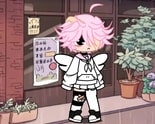
Gacha Universal looks like another generic avatar builder in a thumbnail grid, but the art style underneath is doing something more specific — every face, skin tone, and hairstyle option is drawn in a K-webtoon line style, not the rounder chibi look most of its neighbors share.
Gacha Universal’s K-Webtoon Art Style
That single stylistic choice changes what Gacha Universal actually feels like to build in. Faces lean toward sharper, more realistic proportions than chibi-style makers, and the hairstyle and makeup options are built to match that more grown-up webtoon aesthetic rather than the exaggerated, oversized-head look common elsewhere in the genre. The art style isn’t a cosmetic detail, it’s the whole identity of the tool — face, skin, hair, and makeup are all designed around one consistent visual language rather than pulled from mismatched sources.
Skin tone and face shape form the foundation in Gacha Universal, and both are built to support the sharper webtoon proportions rather than a rounder, softer base. Choosing a face shape early shapes how every later choice — hair, makeup — ends up reading against it.
Makeup in Gacha Universal leans toward the same webtoon sensibility, favoring more defined, illustrated-looking options over the softer pastel makeup style found in chibi-focused avatar makers. That difference is subtle at a glance but noticeable once a finished build is compared side by side with a chibi-style character.
Hair and Makeup Working Together in Gacha Universal
Because the whole art style is unified, hair and makeup choices in Gacha Universal tend to read as more cohesive by default than in tools that mix asset styles. A sharp, webtoon-style hairstyle rarely clashes with the makeup options, since both were built for the same base face rather than adapted from separate sources.
That consistency lowers the risk of an accidentally mismatched build — something that’s a real concern in avatar makers pulling from wider, less unified asset libraries. Players moving between Gacha Universal and a chibi-focused tool tend to notice this difference immediately, even if they can’t always name exactly why one build feels more put-together than the other.
The tradeoff is scope. A tightly unified art style means less range overall than a tool pulling assets from many different sources, so Gacha Universal trades breadth for consistency rather than trying to offer both.
Gacha Universal earns its identity from restraint rather than range — face, skin, hair, and makeup all speak the same K-webtoon visual language, and that consistency is exactly why builds here rarely end up looking accidentally mismatched the way broader, mixed-style avatar makers sometimes do.